This guidance is about reducing the growing risk of bushfires as temperatures rise and dry seasons become longer and more intense. Fire management is not just an individual effort—it depends heavily on community coordination and preparedness.
#1. Form and join community fire teams
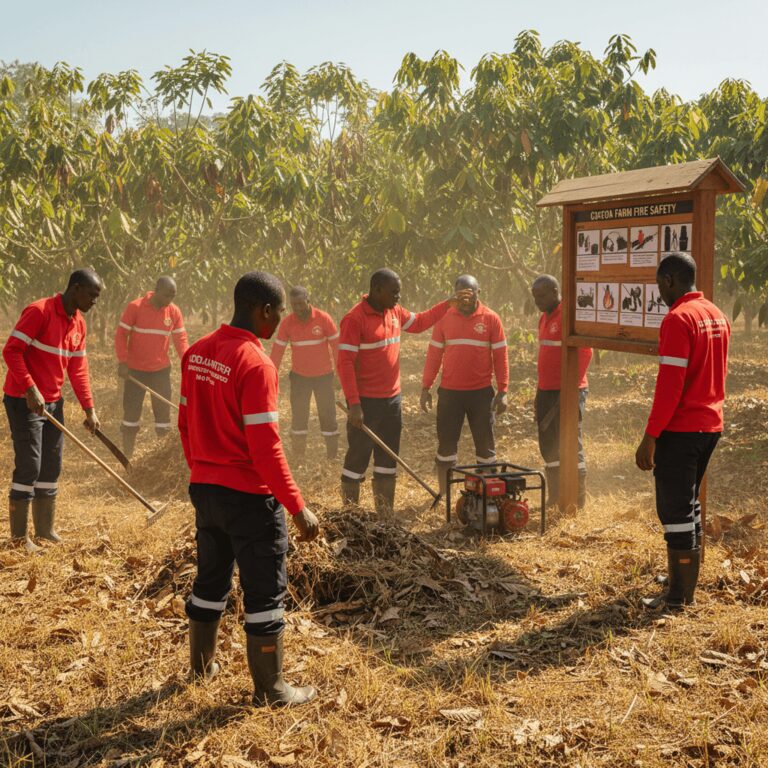
Organizing or joining local fire groups—often called Village Fire Volunteer Squads—creates a first line of defense. These teams:
Respond quickly to outbreaks
Share responsibility across the community
Coordinate with agencies like the Ghana National Fire Service
A collective response is far more effective than isolated action.
#2. Prevent fires through awareness and enforcement
Prevention is the most effective strategy. Working with fire teams, communities can:
Educate farmers and hunters about safe practices
Discourage activities like uncontrolled burning
Enforce local by-laws to reduce risky behavior
This reduces the number of fires before they even start.
#3. Detect and report fires early
Early detection can stop small fires from becoming disasters.
Community members should report smoke or flames immediately
Fire teams can set up communication systems (phones, whistles, alerts)
Quick action helps contain fires before they spread widely
#4. Be alert during high-risk periods
Certain times are more dangerous:
Dry seasons when vegetation is easily flammable
Midday hours (12–4 pm) when temperatures and winds peak
Specific days (e.g., Tuesdays) which may be linked to local farming or hunting practices
Extra caution during these periods can prevent outbreaks.
#5. Watch high-risk areas
Fires often start or spread faster in:
Grasslands and areas with dry litter
Hunting zones where fire is sometimes used
Near settlements and roads
Hilly terrain where fire spreads بسرعة
Areas where people smoke or cook outdoors
Monitoring these zones helps target prevention efforts.
#6. Use firebreaks
Firebreaks are physical barriers that slow or stop fire spread:
Green firebreaks: strips of live vegetation that resist burning
Bare-ground fire belts: cleared paths without fuel
They act as buffers to protect farms and communities.
#7. Suppress fires quickly
When fires occur:
Community teams should mobilize immediately
Use basic tools (cutlasses, branches, water) to control flames
Work in coordination to avoid injury and improve effectiveness
Rapid suppression limits damage.
#8. Replant damaged farms
After a fire:
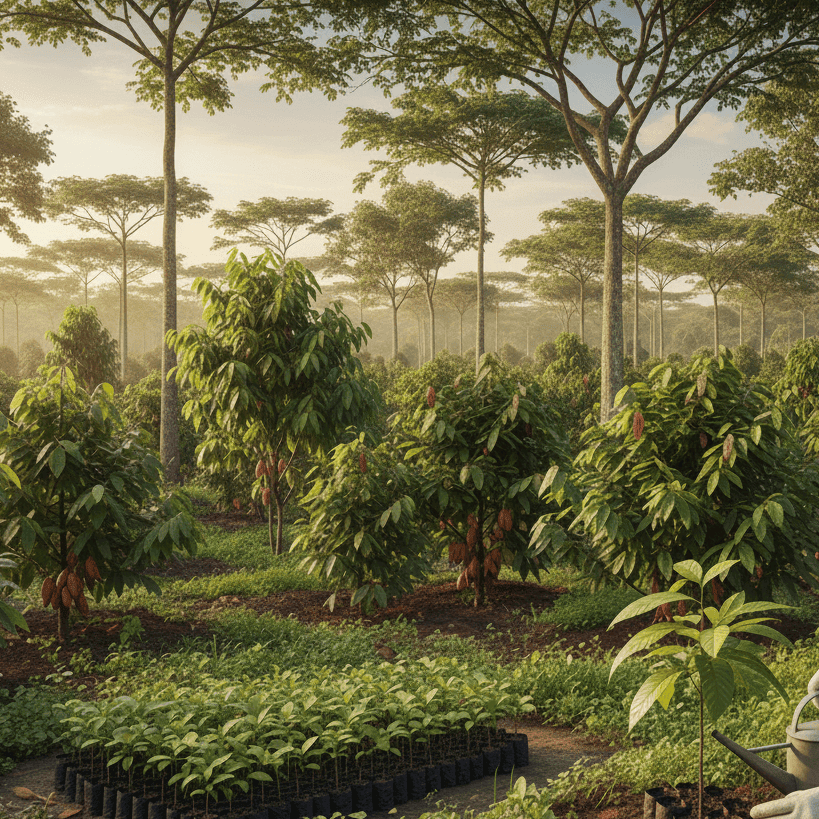
Restore crops and trees as soon as possible
Reintroduce climate-resilient species
Take steps to prevent future fires (e.g., better firebreaks)
Recovery ensures long-term productivity and income.
#Big picture
As climate change increases fire risk, successful management depends on community action, prevention, early response, and recovery. These steps help protect farms, livelihoods, and ecosystems from increasing fire threats.
If you want, I can also convert this into a short USSD one-liner like your previous requests.